Home equity loan
A lender provides a lump sum secured by your home. Ask which rate and term are offered, when scheduled payments start and what closing costs you would pay.

A design invoice arrives before the foundation. A finish deposit can arrive before installation. Match the money available to the work it needs to pay for.
Compare two loan scenarios ↓Set aside the cash you intend to contribute first. If borrowing covers a gap, ask how funds are released, what secures them and how payments change.
A lender provides a lump sum secured by your home. Ask which rate and term are offered, when scheduled payments start and what closing costs you would pay.
A HELOC lets an owner draw against available credit. Rates are commonly variable. Ask about minimum draws, changes in the rate, and payments after the draw period ends.
Construction loans usually provide advances as the build progresses. Ask what inspections or documents release a draw and how the construction balance will be repaid or refinanced.
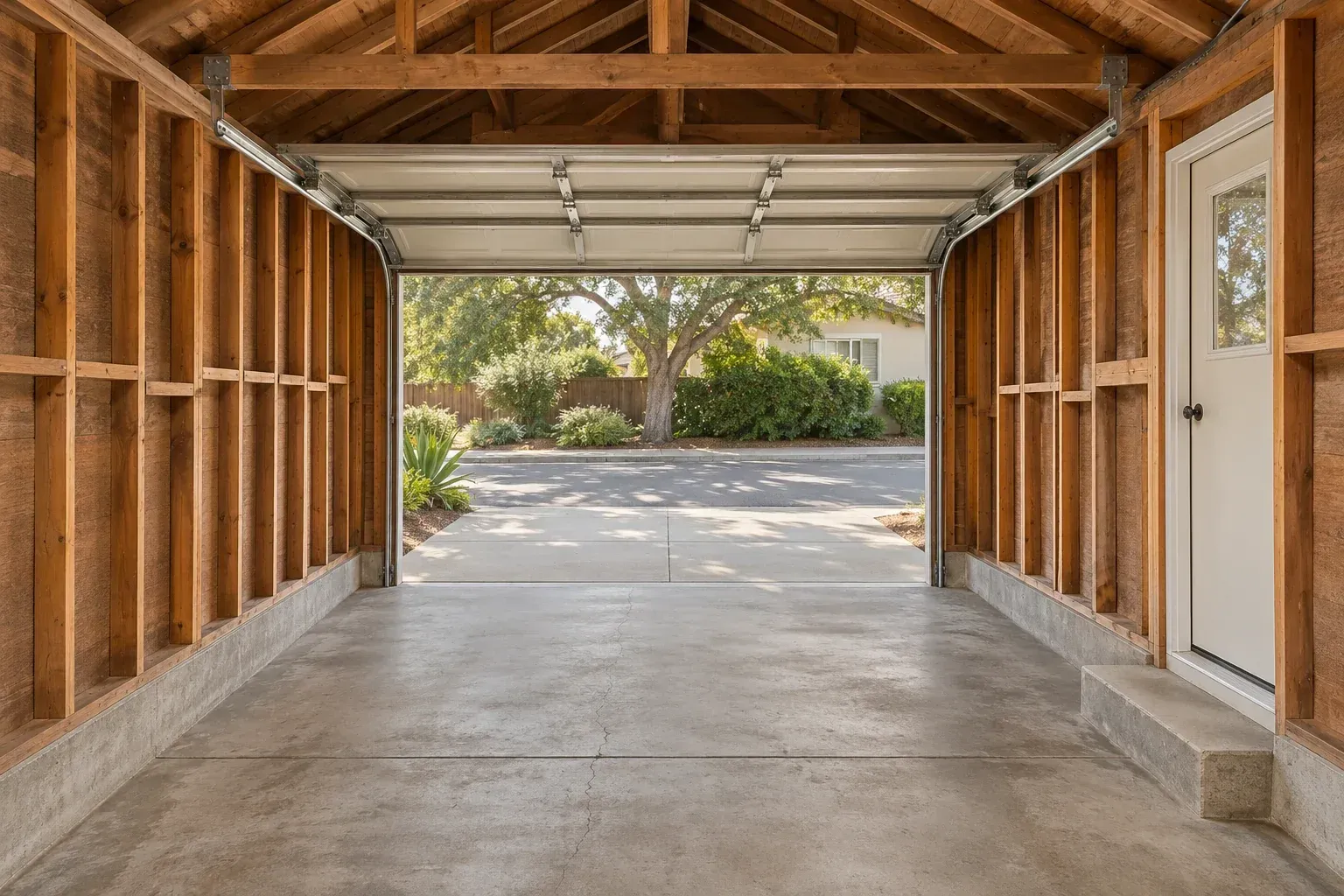
Ask what a lender wants documented before releasing funds for framing, rough-in or finishes. Compare those dates with the builder’s payment schedule.
Illustrative architectural conceptUse the same project budget and cash contribution for both columns. Enter a fixed annual note rate, loan term and upfront fee from each quote.
Lay the proposed payment schedule beside the build schedule. Include a period when construction is underway and the home is earning no rent.
Ask who signs for each milestone, how long a draw request takes, and whether contractor deposits or materials stored off-site are eligible.
Ask for a list of fees, whether each fee is financed or paid separately, any prepayment terms, and the payment if a variable rate changes. Keep each written quote with its expiration date.

A finish allowance names a budget, not a product. Bring the proposed materials and installation scope when comparing the amount you need to borrow.
Illustrative architectural conceptSpreading a balance over additional years gives interest more time to accrue. Compare the monthly principal-and-interest row with interest plus fees across each term.
Only as a hypothetical constant-rate, fully amortizing scenario. An actual credit line can have changing balances, different draw and repayment periods, variable rates and payment rules. Ask the lender to model the specific offer.
Bring the scope and the budget you want the design team to work within, plus any funding or draw deadlines. Keep account numbers and financial statements for your lender’s secure process.
Add the costs in your project budget and subtract the cash you intend to spend on it. For a $250,000 budget and a $50,000 contribution, the worksheet compares two ways of borrowing $200,000. Those figures are an illustration.
Use the fixed annual interest rate the lender would charge on the balance. Enter upfront fees on their own line. APR incorporates certain borrowing costs, so using it as the note rate and adding fees again can count some costs twice.
Ask for an itemized quote showing the amount borrowed, the amount available for construction and the fees due separately. This worksheet assumes both loans provide the same starting principal and all recorded fees are paid separately. Use the lender’s schedule for a financed-fee offer.
It calculates principal and interest for equal monthly payments. Add any applicable escrow, insurance and other household outgoings to your own monthly budget.
Ask the lender to show interest at each expected draw balance, the length of the draw period and the payment due after conversion or refinancing. This comparison starts once the full amount has been drawn and equal principal-and-interest payments begin.
Read the difference in the monthly payment alongside each option’s total interest and fees. The totals cover different numbers of years. If you expect to repay sooner, ask each lender for the cost at that same payoff date.
Enter only the cash you intend to spend on the project. Keep the household reserve outside the contribution field. Include a separate project allowance in your budget if you have set one aside.
Keep a separate month-by-month cash calendar for construction. Consider how you would cover payments during construction and vacancy. Ask the lender directly whether it will consider expected rent when reviewing your application.